home buttoncontact us buttonsitemap buttonsearch button


CHRISTIAN SERVICE: Blood Drive

Last revised: March 7, 2008 2:56 PM

"Jesus said, "It is more blessed to give than to receive."
~ Acts 20:35 (NRSV)

On this Page:
Pint Sized Facts | Common Concerns - "Can I Donate?" | Blood Donor Suggestions
Get Yourself Ready To Donate Blood
| Slash Your Heart Disease Risk 88% - in 8 minutes or less! Blood and Organ Donations | Identification Required for Blood Donors
Top Vatican officials encourage Blood Donation

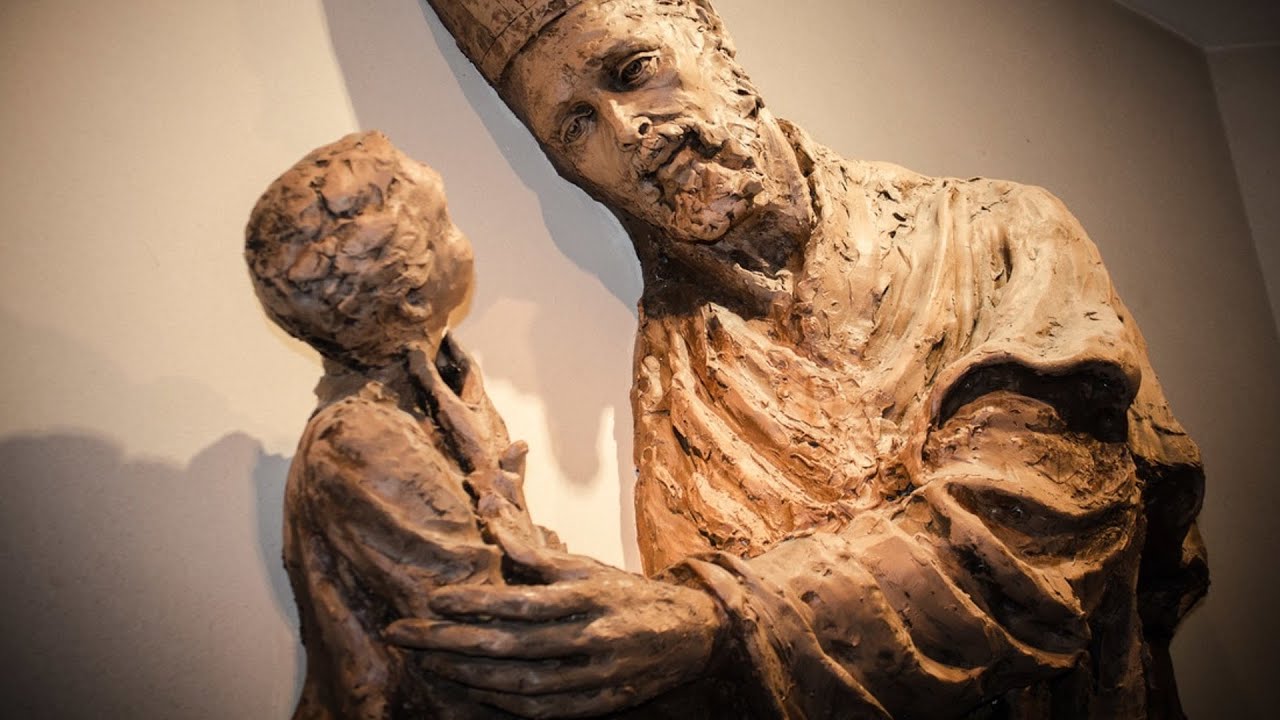
St. Blase Blood Drive
The St. Blase Blood Drive hold blood drives periodically in the Social Center. American Red Cross guidelines suggest you can donate every two months. Start now to prepare yourself to donate by eating healthy. Look for the sign-up sheets in the near future! Please consider donating blood at St. Blase. Our Tara Revyn uses 8 units of blood in a 6-month period. Please keep her in mind when considering a donation. Contact the Parish Office for more details at (586) 268-2244.

Pint-Sized Facts

  • An adult body contains 8-12 pints of blood
  • The entire donation process takes about an hour, including registration and a mini-physical
  • One unit of blood yield red cells, platelets, and plasma to benefit up to three patients.
  • Less than 5% of eligible adults donate blood.
  • Over 90% of the population will need blood during their life.
  • The average healthy person is eligible to give blood every 56 days.
  • There is no substitute for blood. Only you can help save another life

Common Concerns - "Can I Donate?"

INFECTIONS/COLDS: Not if you have any active infection such as a cold or the flu.

ARTHRITIS: Eligible if feeling well and not on immuno-suppressant medication. Arava, Gold Therapy and Methotrexate are now acceptable.

MEDICATIONS: Most medications are okay. It is the illness for which the medication is given that could be a problem. Antibiotics are acceptable when the full course of the medication is complete.

DENTAL WORK: Not if you have an abscess, or infection. If you’ve had oral surgery, you must wait 72 hours before donating.

IMMUNIZATION: Most immunizations have no waiting period, except for the following:

  • HEPATITIS B: 7-day deferral from date of injection if there is no hepatitis exposure.
  • SMALLPOX: 2 months
  • RUBEOLA (red measles), MUMPS, ORAL TYPHOID, YELLOW FEVER, AND SABIN POLIO (ORAL): you can donate 2 weeks after the vaccination.
  • GERMAN MEASLES, MMR (measles, mumps & rubella): you can donate 4 weeks after vaccination.
  • ROUTINE MILITARY VACCINATIONS: Acceptable after 4 weeks (unless specific vaccinations are known).

SURGERY: As a donor, you’re usually accepted after your stitches or staples are removed and the wound has healed and you’ve returned to normal activities, unless you have received a blood transfusion. The underlying illness does NOT disqualify the donor (see "Blood Transfusion”).

HIGH BLOOD PRESSURE: You can donate if it is controlled. We will check your blood pressure before you donate to make sure you’re eligible.

PREGNANCY: You are ineligible during pregnancy. You may donate 6 weeks after delivery. Nursing mothers may also donate 6 weeks after delivery.

JAUNDICE: Cause of jaundice must be determined and evaluated by nurse at time of donation.

PIERCING: It’s okay to donate if your ear piercing body piercing, electrolysis or acupuncture was done with sterile needles.

TATTOO: There’s a 12-month waiting period after getting a tattoo.

DIABETES: Eligible to donate if blood sugar is controlled with diet, oral medication, or most insulin.

BLOOD TRANSFUSION: 12-month waiting period. But if you received your own blood, there’s no waiting period. Must be approved by the medical director or their designated personnel.

HEART DISEASE: Cardiac conditions must be evaluated by the nursing staff. Chest pain, physical restrictions and most cardiac meds restrict you from donating.

MALARIA: If you have traveled to a malarial area, you will be deferred for one year from date of travel. If you have lived in a malarial country for five years or more, you are deferred for 3
years from the date you left the area.

TRAVEL AND “MAD COW”/vCJD: If you have traveled to the United Kingdom since 1980 and spent a cumulative time of three months or more there (such as, 1 week vacation in England every year between 1980 and 2000 = 20 weeks or four months) you are not eligible to donate. If you have traveled to Eastern or Western Europe since 1980 and spent a cumulative amount of time that adds up to six months or more there you are not eligible.

SARS (SEVERE ACUTE RESPIRATORY SYNDROME): 28 days from onset of illness; 14 days upon return from affected areas.

CANCER: Most types of cancer have a waiting period of five years after your treatment (including chemotherapy) is concluded. Skin cancer (Basal & Squamous Cell) is acceptable
after treatment is complete.

VIRAL HEPATITIS A, B, & C: You are indefinitely deferred if it happened on or after age 11.

HIV/AIDS: Individuals with HIV, or increased risk of exposure to the HIV virus that causes AIDS are deferred.

WEST NILE VIRUS (WNV): 28 days from onset of symptoms.


Blood Donor Suggestions

The Weekend before your Donation:

  • Eat healthy high iron foods (Whole grains, fruit, vegetables, lean meats, raisins, nuts).
  • Avoid high fat foods (French fries, chips, ice cream, pastries, fried meats).
  • Exercise as normal.
  • Drink plenty of fluids. Avoid caffeine and alcohol.
  • Get plenty of sleep.

The day of your Donation:

  • Drink lots of fluids. Avoid caffeine and alcohol.
  • Take medications as prescribed.
  • Eat a nutritious meal before your donation.
  • Rest & Relax. Your are doing a good thing - be proud of yourself.

Get Yourself Ready to Donate Blood

Iron the Powerhouse Mineral
Iron is a powerhouse mineral. It can make a big difference in how well you work, play and learn. Iron is a part of the hemoglobin molecule in your blood that carries oxygen to your body’s cells. For example, your arm muscles need oxygen so you can swing a tennis racket...or your back and leg muscles can keep you standing upright! Iron in the hemoglobin molecule helps carry carbon dioxide back to the lungs for removal. Iron works in each cell to help produce energy. For example, your heart needs energy to serve as your body’s pump!

When your blood level of iron is low, your energy level seems low and you may feel tired or irritable. Children may not be able to concentrate and may have trouble learning. Although iron is widespread in the food supply, it can be challenging to get enough of this essential mineral. Even so, iron needs to be replaced daily through your diet.

How Much Iron Do You Need?

Child, age 1-10 10 mg.
Male, age 11-18 12 mg.
Male, age 19-51+ 10 mg.
Female, age 11-50 15 mg.
Female, age 50+ 10 mg.
Female, pregnant 30 mg.
Female, breastfeeding 15 mg.

To get the best value for the iron in your diet, here are some tips to help you:

Iron Boosters

  • Meat, fish, and poultry contain heme iron. (Heme comes from the word hemoglobin, the oxygen-carrying molecule). This form of iron is much better absorbed than the non-heme iron in plant foods.
  • When you eat plant foods along with meat, fish or poultry, the non-heme iron in the plant foods is better absorbed. For example, the iron in a spinach salad will be much better absorbed if you eat meat, fish or poultry at the same meal. People who do not eat meat, fish or poultry will find it more difficult to meet their iron needs.
  • Eat foods high in vitamin C to help absorb the non-heme iron in plant food. For example, drinking orange juice with a meal of iron-fortified breakfast cereal helps your body absorb the iron in the cereal. Examples of other high vitamin C foods are oranges, broccoli, tomatoes, kiwifruit, strawberries, peppers, potatoes and cabbage.

Source: Food and Nutrition Board, National Academy of Sciences National Research Council


Slash Your Heart Disease Risk 88% - in eight minutes or less!

We all know that giving blood can save a life, and in the past few months, we've given more than ever before: The American Red Cross reported that more than 244,000 pints of blood were donated in the week following September 11 alone. And in addition to helping save someone else's live, recent studies showing that this little act of heroism can also save your own.

The American Journal of Epidemiology reports that donating blood at least once a year can lower your risk of heart attack by 88%! It's also known to boost the immune system and lower stress levels for donors, and it might even reduce the risk of colon, lung, bladder and esophageal cancers. All this for a process that takes six to eight minutes!

The Red Cross reports that blood donors are still urgently needed, since donated blood lasts only 42 days. To donate, you must be at least 17 years old, weigh at least 110 pounds and be free of diseases like hepatitis C. Other than that, here's how to make sure the experience is quick and easy:

  • Seven days before: eat more iron-rich foods. Surprisingly, having iron-poor blood is the top reason donors are turned away. The daily value for adults is 10 to 15 mg., which you can get from one cup of iron-fortified cereal daily. Red meat, fish, poultry, broccoli and raisins can also help you keep your iron at an appropriate level.
  • Two days before: avoid aspirin and ibuprofen. These pain relievers thin blood and reduce clotting, which can cause problems for the recipient, says Celso Bianco, M.D., executive vice president of America's Blood Centers in Washington , D.C. "You can still donate blood if you've taken them, but be sure to tell the technician about them and all the medications that you take on a regular basis," he says.
  • One hour before: have a healthy meal and a few glasses of water. "It will temporarily elevate your blood sugar and increase your body fluids, so you're less likely to feel lightheaded after you give," says Dr. Bianco.

BLOOD AND ORGAN DONATIONS

A few weeks ago we had an article on organ donations after you die. This week we would like to expand on that idea, but in terms of donations that you can make while you are alive. We will cover three topics.


1. BLOOD DONATION
Most of us are familiar with donating blood. Here at St. Blase we hold two blood drives a year — March and October. “Every two seconds someone in the United States needs blood.” (Taken from the American Red Cross website). Blood is needed for emergencies, trauma, some surgeries, for people who have cancer, blood disorders, sickle cell, anemia, and other illnesses. Some people need blood transfusions on a regular basis in order to live.

General guidelines for donating blood are that you must be healthy, at least 17 years of age, weigh at least 110 pounds and have not donated in the last 56 days.

Before the Christmas holidays and extending through the winter months there is usually a shortage of blood donations. At times the supply is so critical that elective surgeries have to be postponed.

You can help out by contacting the American Red Cross at: 1-800-448-3543 or go to their website — (www.redcross.org) or (www.givelife.org) to find a donation site near you.

2. BLOOD MARROW DONATION

A person can donate blood marrow for use in the treatment of patients who suffer from leukemia and other blood diseases. The donor must first under go a blood test to determine if his blood marrow is the correct type for a needy patient. You can be put on the national registry of blood marrow donors and if your specific type matches a needy patient you would be contacted.

Donating blood marrow is not quite as simple as donating blood. It involves a hospitalization and an anesthetic. The blood marrow is taken from the iliac crest (hip bone) by aspiration (withdrawing the marrow with a large bore needle and syringe). The procedure takes between 1 and 2 hours. The donor may have some pain or discomfort at the site where the marrow was taken from for several weeks. The donor’s marrow naturally replenishes itself within four to six weeks.

For blood marrow typing test there may be a charge depending on the Donor Center. After initial testing all medical expenses are covered by the recipient or the recipient’s insurance or by fundraisers held to benefit the recipient.

For more information you can check out the blood marrow website @ www.marrow.org

3. ORGAN DONATION
There are only two live donor donations that are possible at this time. Live donor donation of a kidney or part of the liver is possible. As you may have heard in the past few weeks, there is a man from the Detroit area who has donated one of his kidneys to his friend. Usually live donors are done among related persons but unrelated persons can donate if the blood and tissue match. It is not a decision that is made lightly. There is risk to the donor. A person can function with just one kidney. Part of a liver can be donated to another person. It is amazing that liver tissue regenerates itself back to normal size and function in about two months for both the donor and the recipient. Again, the decision to donate a live organ takes some very serious consideration.

Source: Parish Nurse Ministry

Identification Required for Blood Donors...Effective January 30, 2004

To ensure that you are properly identified in American Red Cross records, all blood donors will be required to provide identification before donating blood. If a prospective donor is unable to provide appropriate identification, he or she will not be allowed to donate until proper identification is presented.

Registration has been made easier - after reading the pamphlet the rest is not computerized. Please remember to bring identification with you. Any questions call Denise at 268-2244.

The Preferred Identification is One of the following:

  • Red Cross blood donor card
  • Driver's license
  • Current student ID with photo
  • State ID
  • Passport
  • Military ID
  • INS (Immigration and Naturalization Service card)
  • Corporate ID with photo
  • Credit card with photo

Or Two of the following:

  • Work ID
  • Social Security card
  • Birth certificate (original or certified copy)
  • Personal check book (with name and address)
  • Library card (with donor name on it)
  • Fishing or hunting license
  • Credit card or bank card
  • Drivers license without photo
  • Club or museum membership card
  • Non-Red Cross blood donor card
  • School or college ID
  • Vehicle registration
  • Voter registration card
  • Selective service card
  • Insurance card
  • Payroll stub
  • Professional license (RN, LPN, etc.)

A high school student who does not have acceptable identification will be required to have his or her identity and age verified by a school official.

American Red Cross...Together, we can save a life
Call 1-800-GIVE-LIFE for more information.


Heal The Sick
by John Thavis, Catholic News Service, VATICAN CITY (CNS)

Top Vatican officials encouraged blood donation, saying it was a powerful and practical way to carry out Christ’s command to heal the sick.

Pope Benedict XVI, addressing pilgrims from his apartment window June 12, sent special greetings to blood donors everywhere.

He said Christians should find inspiration for blood donation in Christ, who “redeemed us with his blood.”

Cardinal Javier Lozano Barragan celebrated Mass near the Vatican with several hundred blood donation volunteers. In a sermon, he asked why people should give blood.

The answers are many, he said. For one thing, despite millions of donors each year, the world does not have enough blood to meet medical needs — especially in poorest countries.

Many give blood out of a sense of solidarity or compassion for the sick, he said. But for
Christians, donating blood should have another special meaning.

“Christ gave to his disciples a specific mandate: ‘Heal the sick’”.

Beyond solidarity and natural compassion, there is this mandate of Christ, whom we obey
with our innermost nature by giving blood. This is a great satisfaction, fulfilling from our hearts Christ’s command to give health,” Cardinal Lozano said.

Home   Contact Us   Sitemap   Search
About Us   Stewardship   Faith Formation  Christian Service   Parish Life   Liturgy
Pastoral Services Sacraments

The web team would love to hear your comments or feedback about this site. Send your thoughts to: webmaster@stblase.org

St. Blase   12151 E. Fifteen Mile Rd.   Sterling Heights, MI 48312   Phone: (586) 268-2244